
Eating Through Perimenopause: A Nutrition Guide for the Transition Your Body Is Already Navigating


Perimenopause doesn't arrive with an announcement. It shows up as a night of unexplained sweat, a period that's suddenly two weeks early, a level of fatigue that sleep doesn't seem to fix, or a craving for sugar that feels louder than it used to. For most women, this transition begins sometime in their 40s — occasionally earlier — and can last anywhere from a few years to a decade before menopause itself sets in.
What often gets lost in the conversation is this: the way you eat during perimenopause can meaningfully support how you feel through it. Not as a cure — hormonal fluctuation is a biological process, not a dietary failure — but as real, practical support for energy, mood, sleep, and long-term health.
Here's what the nutrition side of this transition actually looks like.
Why Nutrition Needs Shift During Perimenopause
As estrogen and progesterone begin fluctuating unpredictably, several things change in the background:
Insulin sensitivity often declines, which can make blood sugar swings feel more intense than they used to.
Bone density loss accelerates, since estrogen plays a direct role in maintaining bone strength.
Muscle mass becomes harder to maintain, partly due to hormonal shifts and partly due to natural aging — both compound each other.
Sleep and mood disruptions are common, and what you eat — particularly blood sugar stability and alcohol intake — has a real, documented relationship with both.
None of this means your body is working against you. It means its needs are changing, and food is one of the more direct levers you have to respond to that change.
What to Prioritize

Protein, and More of It Than Before
Muscle mass naturally declines with age, and this accelerates during perimenopause. Most women benefit from more protein than they consumed in their 20s and 30s — spread across meals rather than loaded into one. Eggs, fish, poultry, lean beef, Greek yogurt, tofu, and legumes are all strong anchors.

Calcium and Vitamin D, Deliberately
With bone density loss accelerating during this window, this is not the decade to be casual about calcium. Leafy greens, dairy or fortified alternatives, sardines, and almonds all contribute — but vitamin D (from sun, food, or a supplement, ideally discussed with your physician) is what actually allows your body to use that calcium.

Fiber, for Blood Sugar and Digestion Both
Fiber slows the blood sugar spikes that can feel sharper during this transition, and supports the gut microbiome, which itself plays a role in how estrogen is metabolized and recirculated in the body. Vegetables, legumes, oats, and whole fruit all count.
Phytoestrogen-Containing Foods, If They Agree With You
Foods like flaxseed, soybeans, and chickpeas contain plant compounds that loosely mimic estrogen in the body. The research on how much this actually helps with symptoms is mixed and individual — some women notice a difference, some don't — but these are nutritious foods regardless, and worth including as part of a varied diet rather than a guaranteed fix.
Healthy Fats
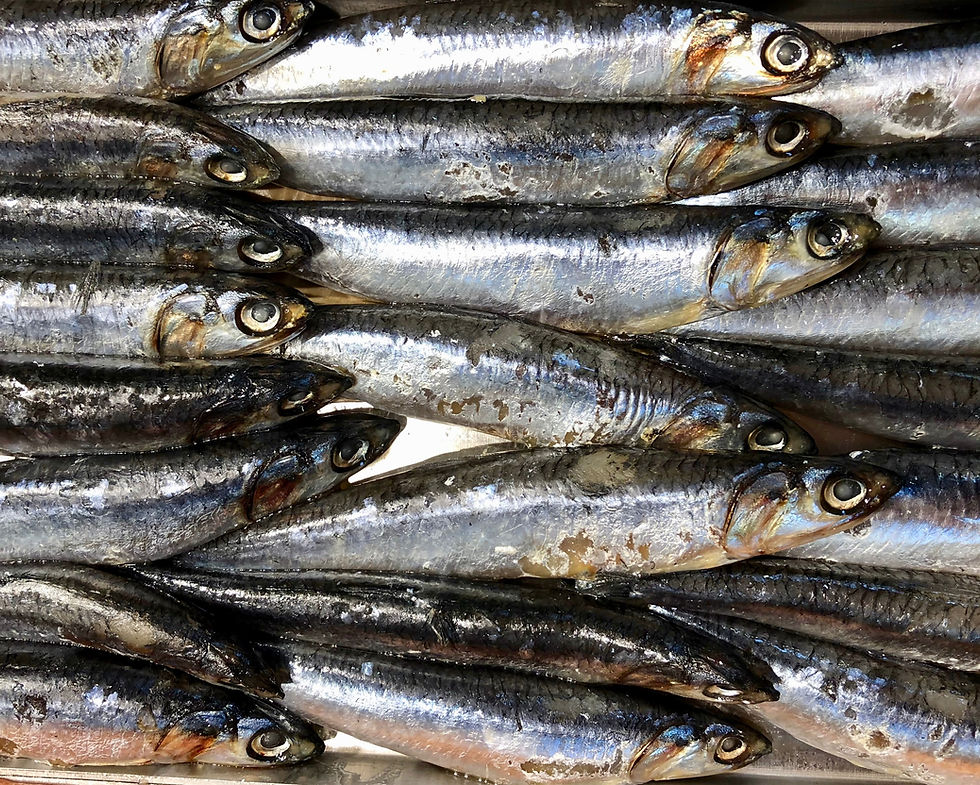
Omega-3s in particular — found in fatty fish, walnuts, and flaxseed — are linked to better mood stability and reduced inflammation, both relevant during a hormonal transition that can affect both.
What to Approach With More Awareness
This isn't about eliminating anything outright — it's about noticing what tends to intensify symptoms, since perimenopause often makes women more sensitive to things they previously tolerated easily.
Added sugar and refined carbohydrates can make blood sugar swings, energy crashes, and mood dips more pronounced.
Alcohol is one of the most commonly reported sleep and hot-flash triggers during this transition — even in amounts that were previously unnoticeable.
Excess caffeine, particularly later in the day, can compound the sleep disruption many women already experience during perimenopause.
Ultra-processed foods tend to be low in the fiber, protein, and micronutrients this stage of life actually calls for more of.
A Realistic Day of Eating
Not a prescription — just a picture of what "prioritizing the above" can look like in practice:
Breakfast: Greek yogurt with flaxseed, berries, and walnuts — protein, fiber, and omega-3s in one bowl.
Lunch: A grain bowl with leafy greens, chickpeas, salmon or grilled chicken, and an olive oil-based dressing.
Snack: An apple with almond butter, or a handful of almonds with a piece of fruit.
Dinner: A protein source, a fiber-rich vegetable, and a calcium-containing side — think roasted salmon, sautéed greens, and a small side of white beans.
Throughout the day: Consistent water intake, since dehydration can quietly worsen fatigue and headaches that already tend to show up during this transition.
Perimenopause Doesn't Show Up the Same Way for Everyone
Most nutrition guidance treats perimenopause as a uniform experience, but the research doesn't support that. The Study of Women's Health Across the Nation (SWAN) — the largest, longest-running study on this transition, launched in 1994 specifically to include a racially diverse cohort after decades of research focused almost exclusively on white women — has documented real, measurable differences for Black women.

The transition tends to start earlier and last longer. Black women reach menopause roughly 8.5 months earlier than white women on average, and some enter perimenopause as early as their late 30s. The full transition also lasts considerably longer — around 10 years on average for Black women, compared to about 6.5 years for white women. Symptoms tend to be more frequent and more intense. Black women are about 50% more likely to experience vasomotor symptoms like hot flashes and night sweats, with more than half experiencing them during perimenopause, compared to roughly a third of white women. Depressive symptoms during this transition are also reported more often.
Access to care doesn't match the severity of symptoms. Despite experiencing more frequent and longer-lasting symptoms, Black women are historically less likely to be offered or prescribed hormone therapy, and are more likely to enter menopause through surgical intervention rather than the natural transition. Researchers studying this gap point to "weathering" — the cumulative physical toll of chronic stress from discrimination and socioeconomic strain over a lifetime — as a contributing factor to both earlier onset and more severe symptoms. What this means in practice: if you're a Black woman navigating this transition, longer and more intense symptoms are not something you're imagining or overreacting to — they're consistent with what large-scale research has found. Nutrition support matters here as much as ever, but it works best alongside — not instead of — proactively seeking care, including asking directly about hormone therapy if symptoms are significant. The data suggests this option is offered less often, which means it may need to be asked for rather than waited on.
Where Nutrition Ends and Medical Care Begins
Nutrition is genuinely powerful here — but it isn't a substitute for medical guidance. Perimenopause symptoms vary enormously from person to person, and some women benefit from hormone therapy, targeted supplementation, or other interventions that go beyond what food alone can address. If you're navigating significant symptoms, a conversation with your physician or a menopause-informed dietitian is worth having alongside any dietary changes.
The Bigger Picture
Perimenopause isn't a problem to fix — it's a transition to move through with as much support as possible. Food is one of the most consistent, everyday tools available for that support, but it works best when it's specific to your body, your symptoms, and your life, not a generic list applied uniformly.
That's precisely the gap Dig'N Culinary is built to close. Every menu we build is shaped around your actual needs — including the reality that this transition doesn't look the same for every woman, and that some of you are navigating it earlier, longer, and with less support than you should have to. Whether that means building meals around a hormonal transition, a diagnosed condition, or simply eating in a way that finally makes sense for your body, we work in coordination with your physician or dietitian when that's part of your care. Not traditional meal prep. Food built around you.
Eat Better. Live Beautifully.
Sources:
El Khoudary, S.R. et al. "Disparities in Reproductive Aging and Midlife Health between Black and White Women: The Study of Women's Health Across the Nation (SWAN)." Women's Midlife Health, National Center for Biotechnology Information.
University of Michigan School of Public Health. "25 years of research shows insidious effect of racism on Black women's menopausal transition, health." SWAN Study.
Word In Black. "Black Women Face Earlier Menopause Onset and Inadequate Care."
SWAN Study (Study of Women's Health Across the Nation). "Menopause is Different for Women of Color."

Comments